


Many people who visit a jinja (Shinto shrine) write an ema, a small wooden plaque that carries their wish to the kami. In Japan, ema have become a familiar sight during entrance exam season, when students pray to pass. This article explains how to write an ema and the customs for offering it, so that you will know just what to do when the moment comes.
What Do You Write on an Ema? The Basics
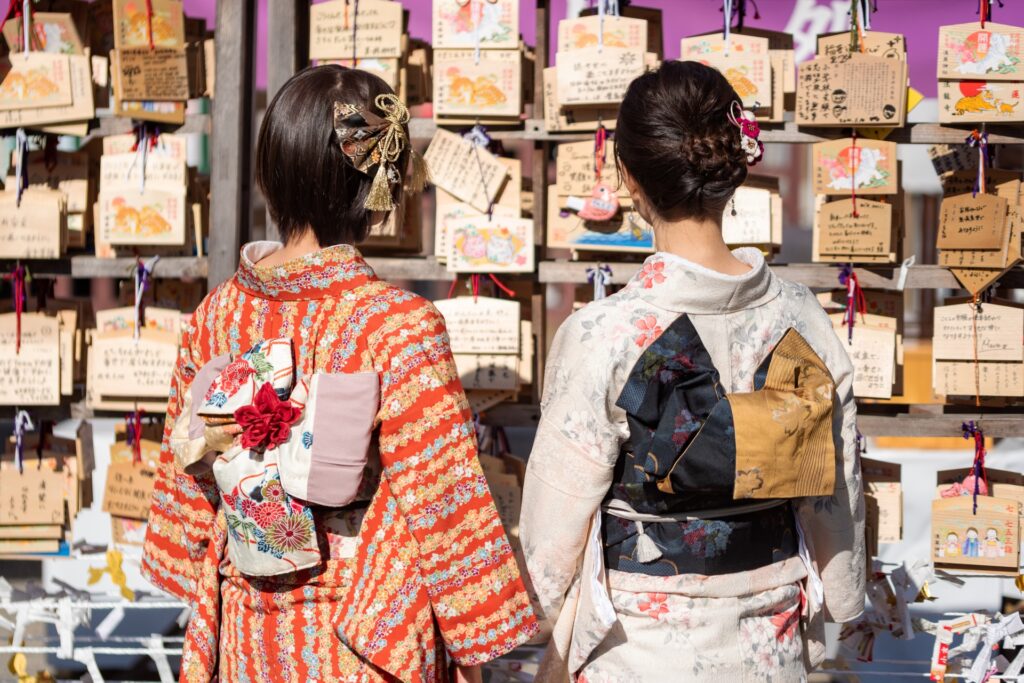
It is said that when you write your wish on an ema and offer it at a jinja, your wish is conveyed to the kami. There are no strict rules for writing one, but to convey your wish correctly, people generally write the following four things.
- Your wish: Write what you hope will come true.
- Your address: This tells the kami where you have come from.
- Your name: This shows whose wish it is.
- The date: Write the date of your visit (the day you wrote the ema).
What Do You Do with Your Ema? Can You Take It Home?

Once you have written your wish, it is customary to offer the ema by hanging it at the ema-kakedokoro, the designated place for ema in the jinja grounds.
That said, you do not have to leave it at the jinja. You may take it home as a keepsake after writing your wish. Visitors from overseas, for example, are said to be welcome to take an ema back to their home country and write their wish there.
Did You Know? Why Is It Written “Picture Horse”?

The word ema is written with the characters for “picture” and “horse,” and this reflects a long history. In ancient times, people presented real, living horses, known as shinme, as mounts for the kami when making a prayer. Over time, horse statues came to be offered in their place, and these were simplified further into wooden plaques painted with horses: ema.
Horses were once the main motif, but today, depending on the jinja, you will find ema painted with many kinds of images, from scenes of matsuri (festivals) and the zodiac animal of the year to designs for recovery from illness or progress in the performing arts.


