


When you visit a jinja (Shinto shrine), you may hear the words ujigami and ujiko. Many people in Japan visit a large, famous jinja for hatsumode, the first visit of the new year, but the kami that watches over their daily lives most closely is in fact their ujigami. This article introduces the roots and role of the ujigami, and how it differs from a sukei jinja.
The Ujigami Began as the Guardian of a Clan

An ujigami is the kami that protects the area where you live. It is sometimes called by the name of the place with “-sama” added, or, more affectionately, “-san.” The people who live in the area where an ujigami is enshrined are called ujiko, the parishioners of that jinja.
Today, the ujigami is firmly established as the guardian of a local area, but it began as the ancestral kami of an uji, an ancient clan of people related by blood, or as a kami with deep ties to that clan. In other words, it was originally a clan’s guardian. Over time, people who were not related by blood also came to venerate it together and strengthen their bonds, and it gradually became the guardian of the community that it is today.

There are also the terms ubusunagami, the guardian kami of the land where you were born and raised, and chinjugami, the kami that protects a particular place. Today, these words have gradually come to be used with the same meaning as ujigami.
What Does the Ujigami Mean to People?
Of all the many kami, the ujigami can be called the closest to the people who live in its area.
Since ancient times, the ujigami has been revered as a presence that stays close to the daily lives of local people, watching over the birth and growth of children, the peace of the community, and everyday life, and helping and guiding them. It is the right kami to greet when you move to a new home or reach a milestone in life.
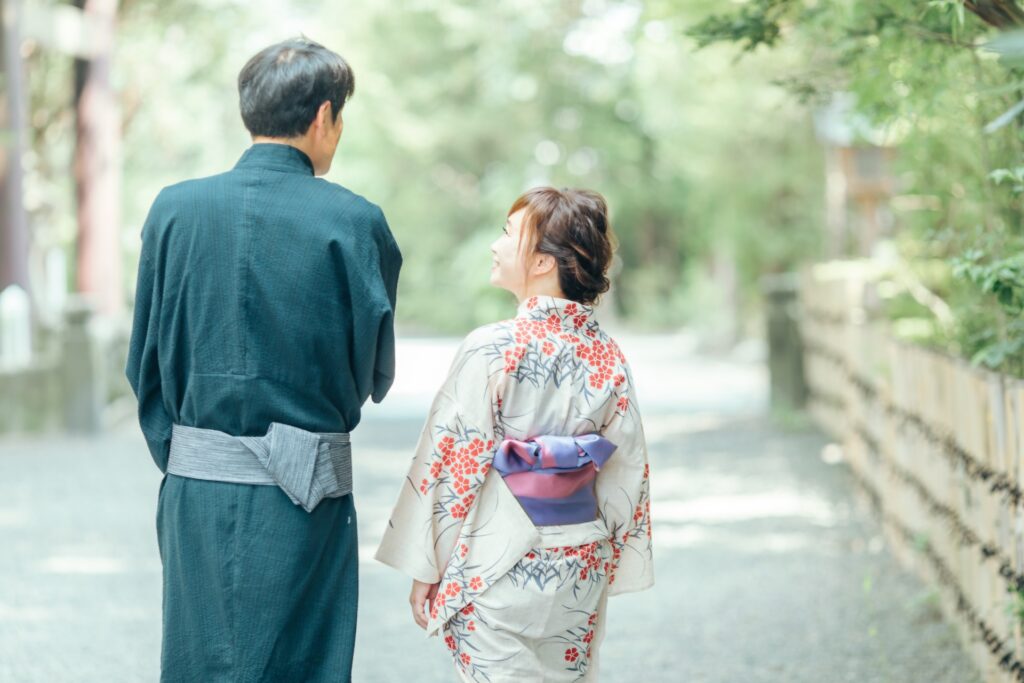
Jinja Honcho, the Association of Shinto Shrines, explains that every Japanese person is regarded as a parishioner of a local jinja, whether or not they are conscious of it. Local jinja are called ujigami and are considered guardians of the village. And wherever you are staying in Japan, there will be jinja near you.
Ujigami Jinja and Sukei Jinja: What Is the Difference?
Alongside the jinja where an ujigami is enshrined, called an ujigami jinja, there is also the term sukei jinja.

An ujigami jinja is the jinja of the area where you live, a relationship based on place. A sukei jinja, by contrast, is a jinja revered out of personal devotion, regardless of where you live or which family you belong to. People who revere a sukei jinja are called sukeisha.
You may wonder which of the two you should visit. One person can revere both without any problem at all. It is perfectly fine to cherish your local ujigami while also visiting a sukei jinja that you feel personally drawn to.


