Aomi Jinja: Inside the Prayer Hall Most Visitors Never Enter — Shinto Rites with a Priest at a 1,300-Year-Old Jinja
¥8,000
From Watching Prayer to Taking Part in It — Inside the Hall, with a Priest
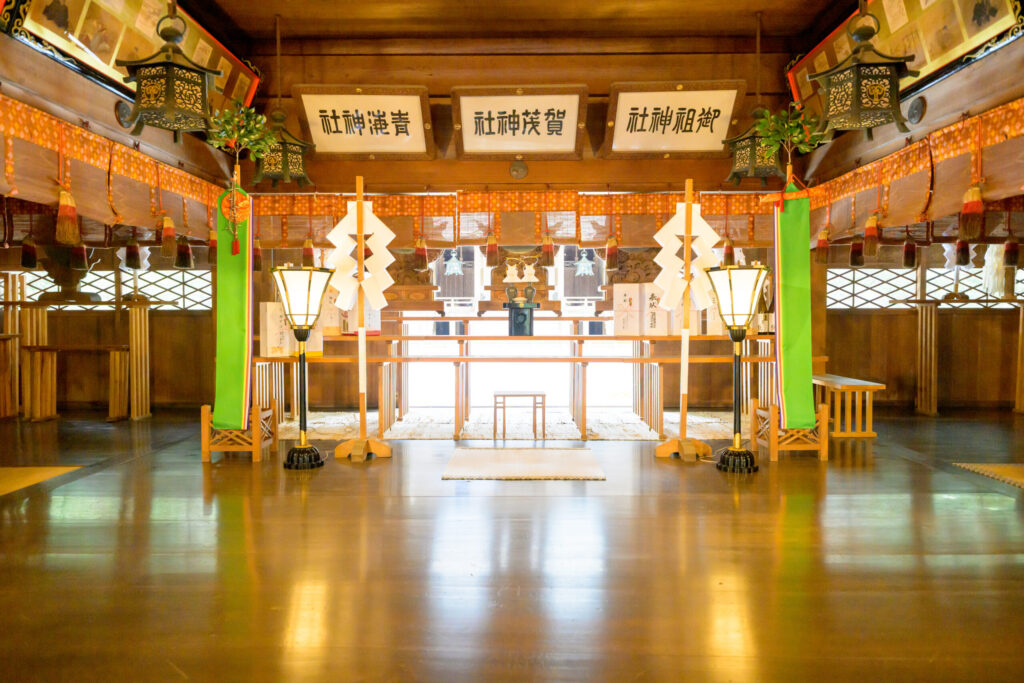
At a Japanese jinja (Shinto shrine), visitors pay their respects from outside the prayer hall. Here, you go inside it, accompanied by a Shinto priest.
A covered corridor, open to the air on both sides, leads to the hall. Its floor sings softly with every step — a “nightingale floor.” You will learn what each movement means, including the offering of a sakaki branch before the kami. For 1,300 years, since the kami of the Kamo jinja of Kyoto were welcomed here, Aomi Jinja has watched over Kamo, Sanjo, and Tagami as the guardian shrine of the whole area. Here, a priest teaches you its rites along with their meaning. Solo travelers are welcome.
After this, every jinja you visit in Japan will look different to you.
●Enter the prayer hall with a priest — a space not open on an ordinary visit
●Learn the shrine’s history and its formal rites directly from a priest, at a jinja 1,300 years old
●See the nightingale corridor and the Edo-period master carvings from the inside
●Open to solo travelers
Details
1 | Beyond 77 Steps
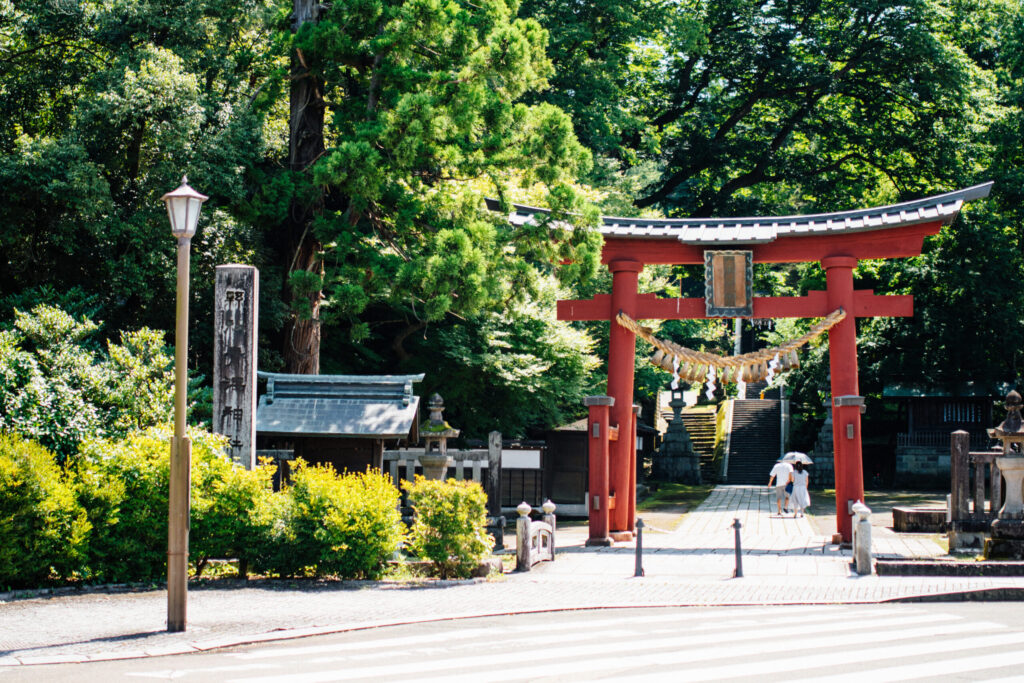
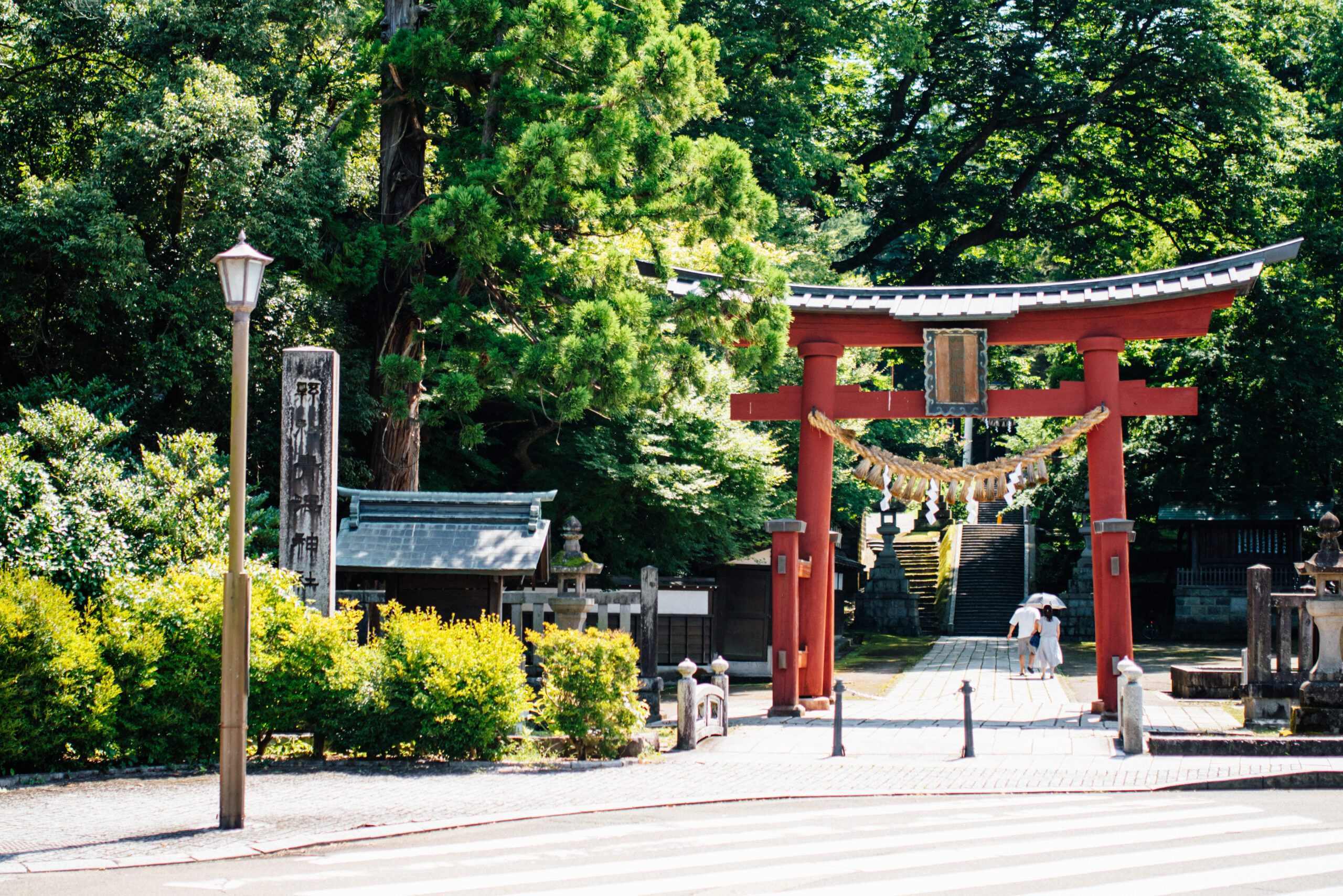
From the foot of Kamoyama hill, you climb the stone steps. Seventy- seven of them. Trees close in on both sides and the air is clear. Stone lanterns line the way, and all you hear is birdsong and your own footsteps. The slope is steep enough to leave you a little short of breath.
At the top, the view opens and the shrine buildings stand before you.
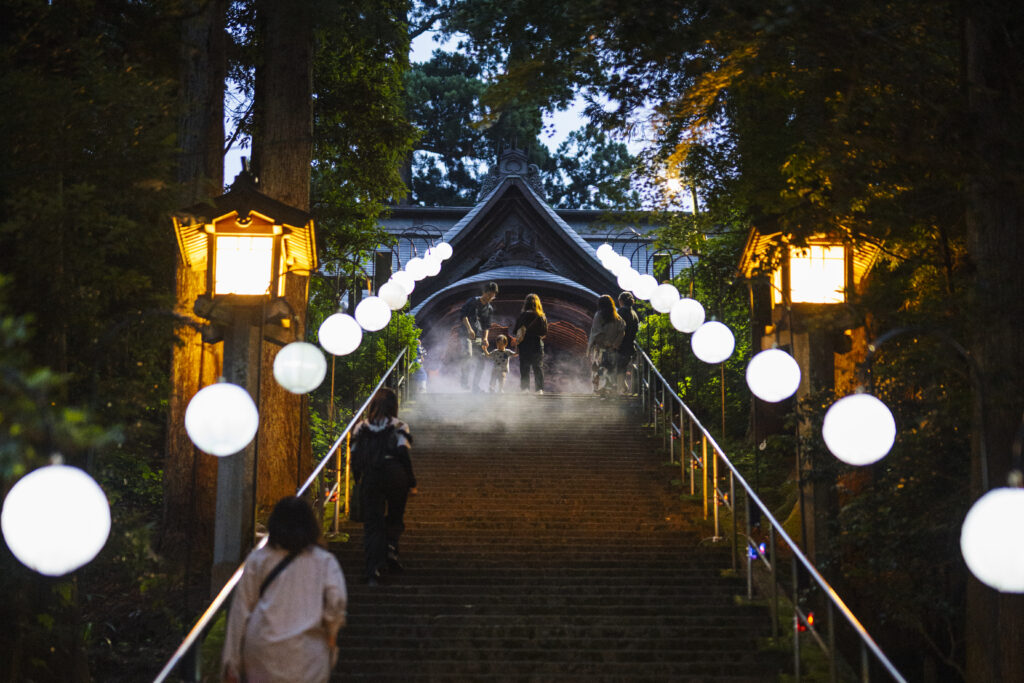
You meet at the shrine office, just beyond the steps.
2 | A Talk with the Priest (about 20 minutes)
Step into the shrine office and you find yourself inside a traditional Japanese building. A priest of Aomi Jinja speaks with you directly about the shrine’s history and how prayer is practiced here: its ties to the Kamo jinja of Kyoto, why it is known as a place to pray for safe childbirth, and the halls left behind by Edo-period master artisans. And then the etiquette of paying respects, and what this shrine holds dear.
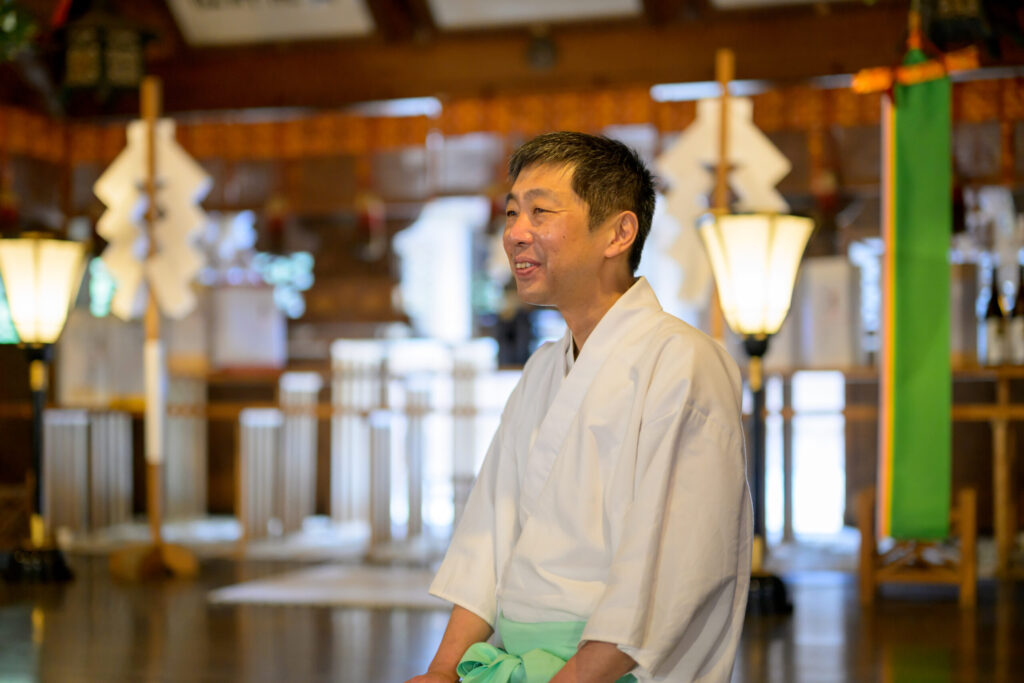
The priests here are, all of them, gentle and calm.
3 | Across the Nightingale Corridor, into the Prayer Hall (about 20 minutes)
The priest leads you toward the prayer hall. On an ordinary visit, no one goes beyond this point
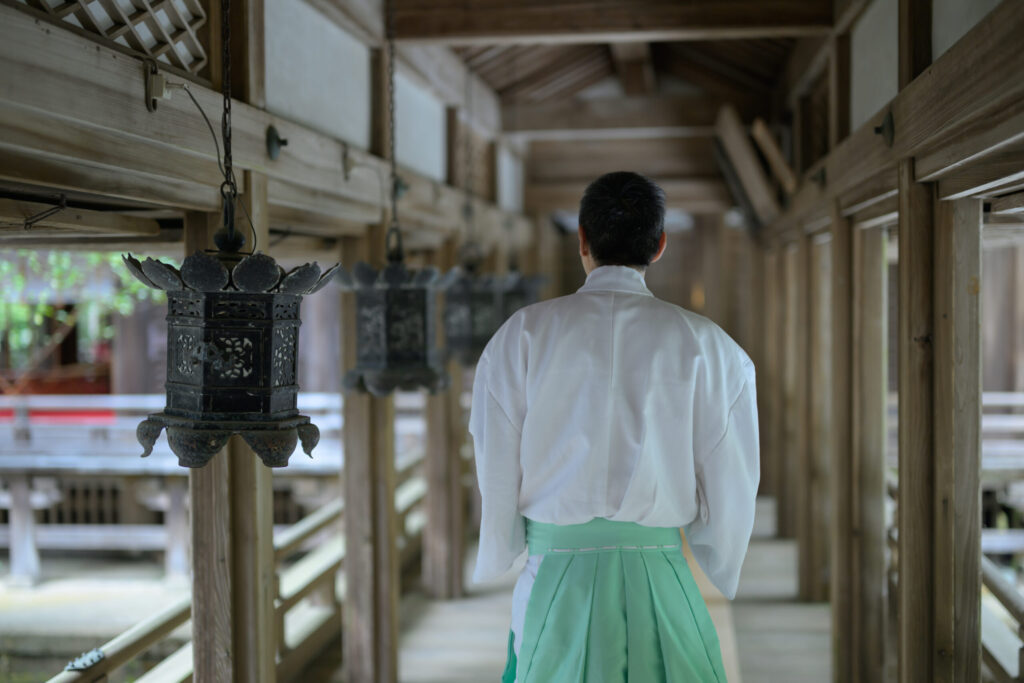
The corridor is open on both sides: on one, the shrine’s forecourt; on the other, the woods behind. The floor is a “nightingale floor,” part of a corridor built in 1757 by the lord of the Shibata domain, and it creaks with a small, high note at every step. It is thought the sound may have been deliberate — a note added to the footsteps of those carrying offerings during ceremonies.
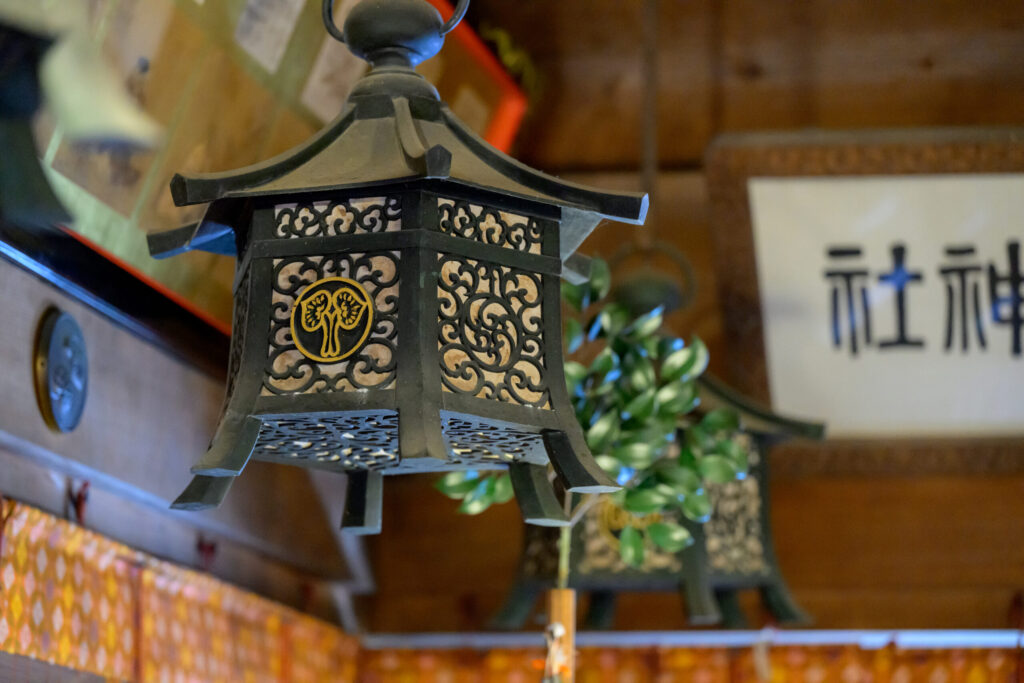
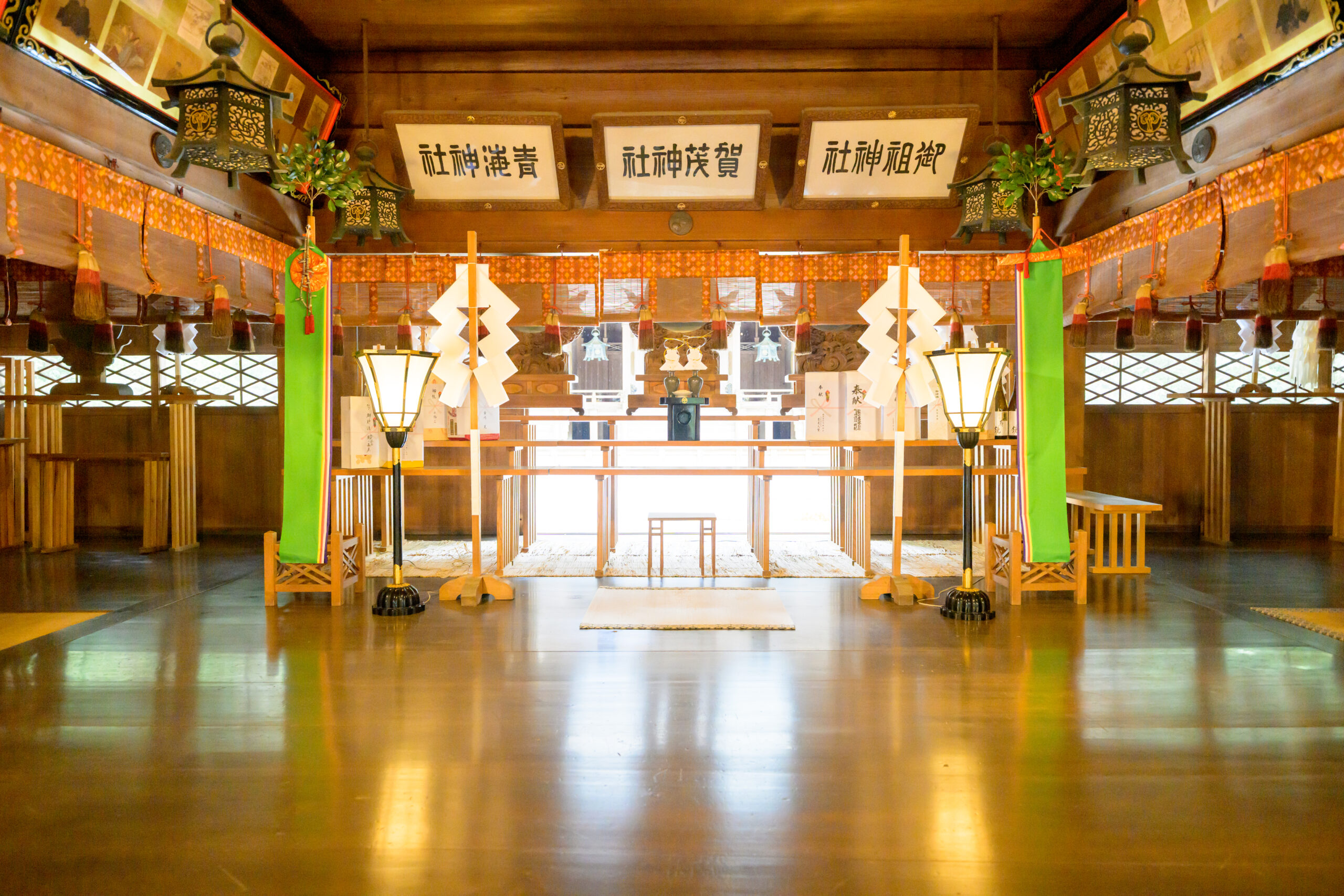
Inside the hall, voices drop of their own accord. Look up, and you find paintings and calligraphy hung overhead. What hangs there differs from jinja to jinja, and at Aomi Jinja the priest explains each one.
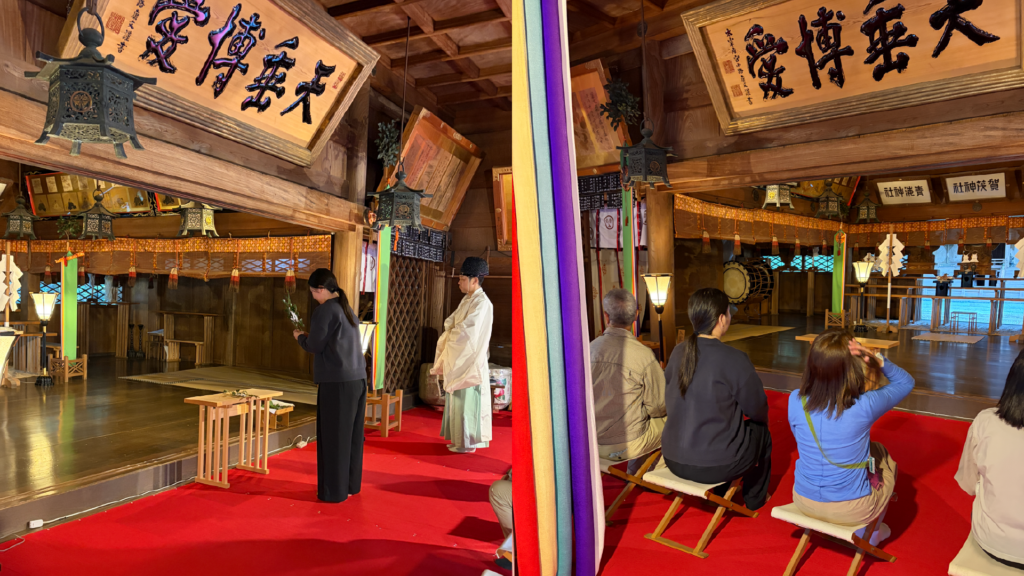
Here you learn the formal rites along with their meaning, beginning with the tamagushi offering. A tamagushi is a sakaki branch with a white paper streamer attached; you hold it upright before your chest and offer it before the kami. Each movement, done with care.
4 | Walking the Grounds
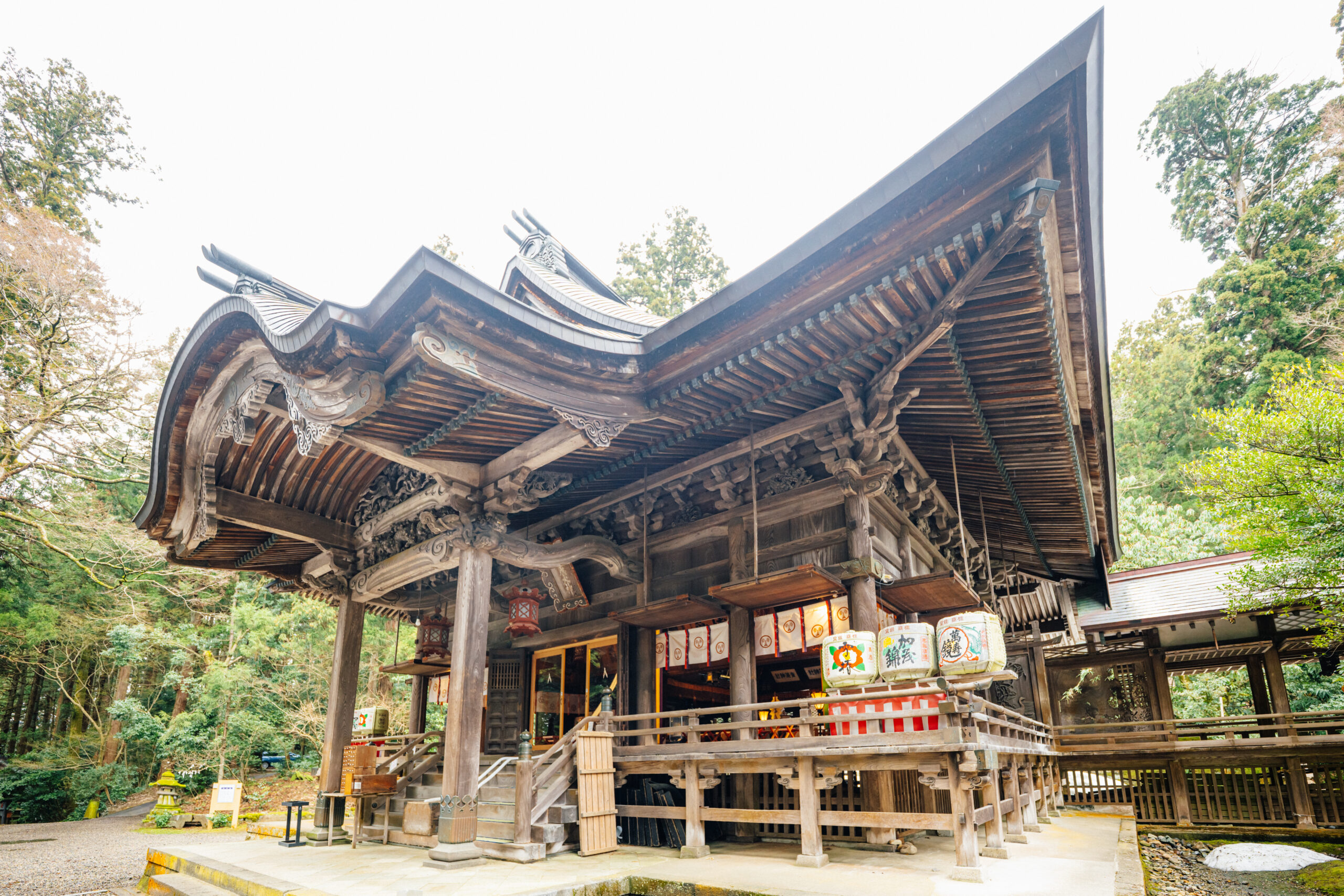
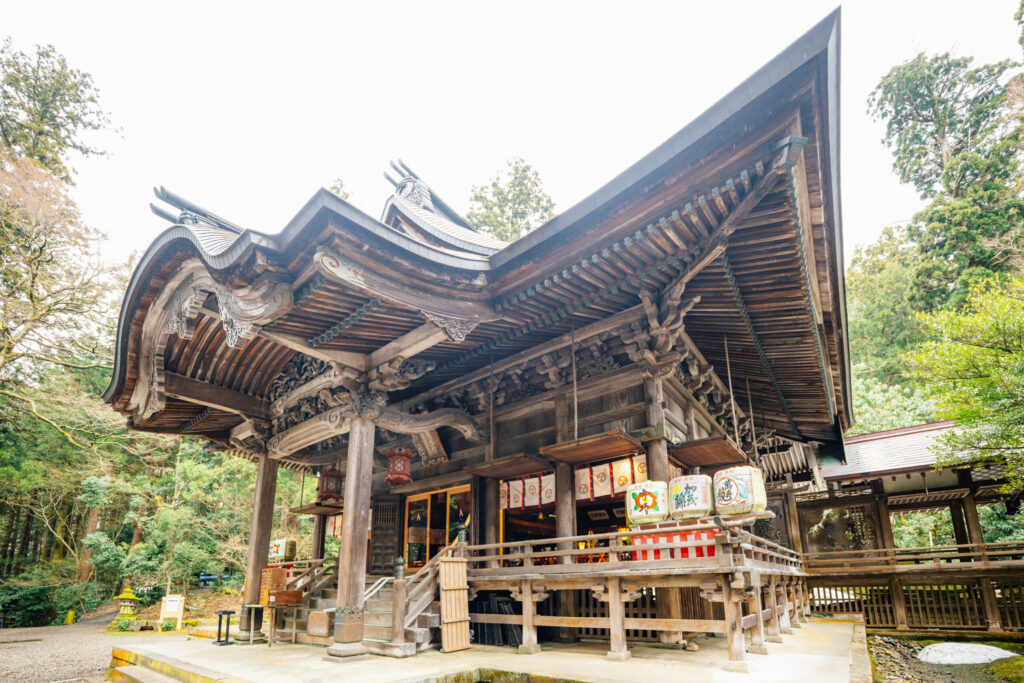
After the ceremony you are free to walk the open grounds, close enough to study the carvings that Edo-period masters set into the prayer hall.
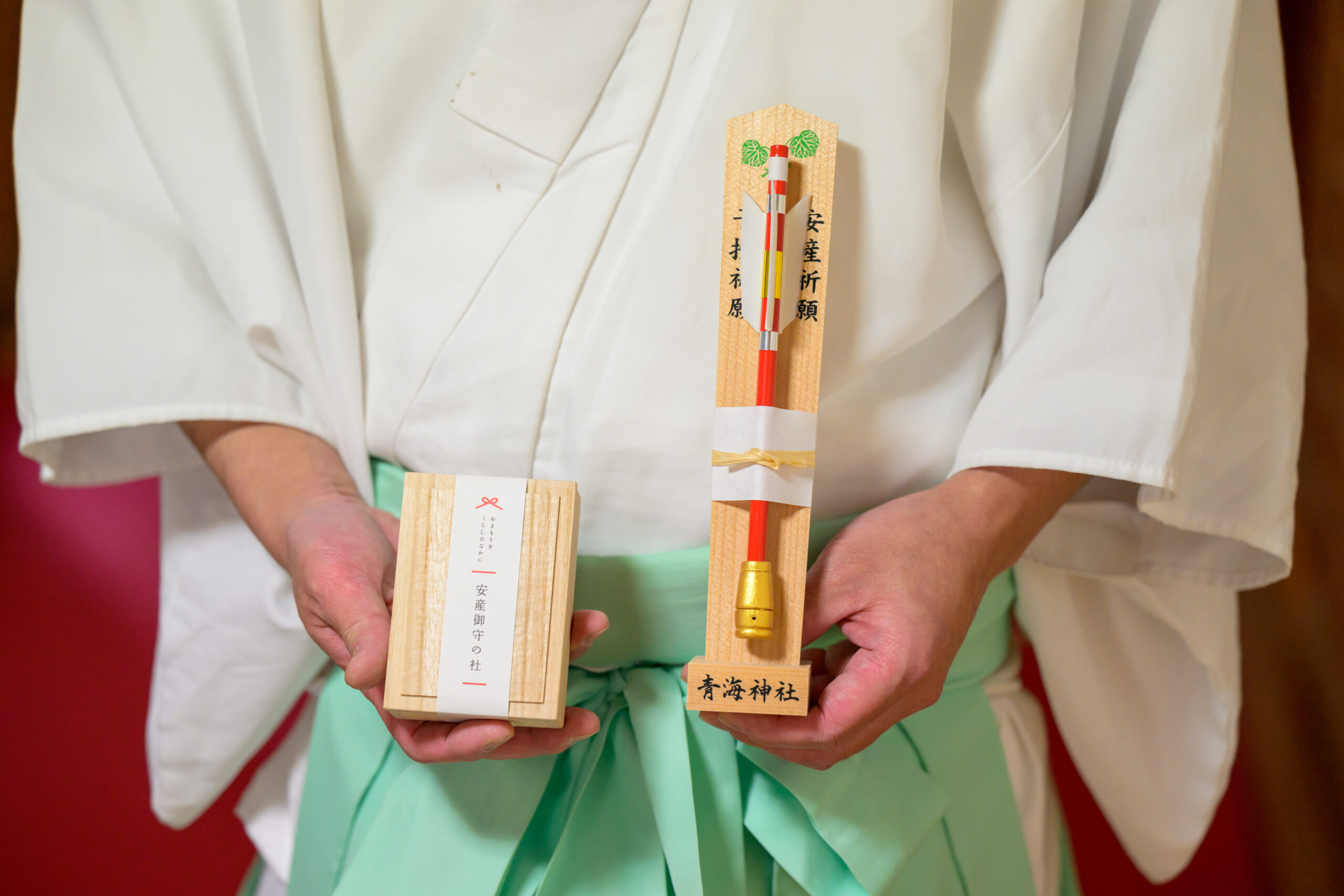
An omamori amulet is included in the price.
Who Guides You
A member of the LAMBDA JAPAN team
Your guide is a member of LAMBDA JAPAN, the local team behind INORI. Mixing in stories only a local would know, your guide offers a friendly, relaxed experience.
This experience is held in Japanese, with support in English throughout. Your guide shares illustrated English materials that cover all the key points, and speaks in simple English with the help of a pocket translator. Would you prefer a professional English interpreter? Just request one when you book (+¥15,000 per group).
A Shinto priest of Aomi Jinja
A priest who serves the daily rites at this 1,300-year-old guardian shrine speaks with you directly about its history, its etiquette, and what this shrine holds dear.
Going Deeper: Aomi Jinja and 1,300 Years with Kyoto
The Name “Kamo” Came from Kyoto
Kamo, in Niigata Prefecture, has long been called Niigata’s “Little Kyoto.” Not only because its streets resemble Kyoto’s. Around the time Japan’s capital moved to Kyoto — then called Heian-kyo — from 794 onward, a share of the spirit of the kami of Kyoto’s oldest jinja, Kamigamo Jinja (Kamowakeikazuchi Jinja) and Shimogamo Jinja (Kamomioya Jinja), was welcomed here, and this land became the sacred estate of the Kamo jinja of Kyoto.
This is the origin of the place name “Kamo.” In Shinto, a kami’s spirit can be divided in this way and welcomed to another place. Many places here still bear names tied to Kyoto, such as Kamoyama hill and the Kamo River.
The enshrined kami are Shiinetsuhiko-no-Mikoto and Okunitama-no-Mikoto, ancestral kami of the clan that first settled this land, together with three kami welcomed from the Kamo jinja of Kyoto: Tamayorihime-no-Mikoto, her son Kamowakeikazuchi-no-Mikoto, and Kamotaketsunumi-no-Mikoto.
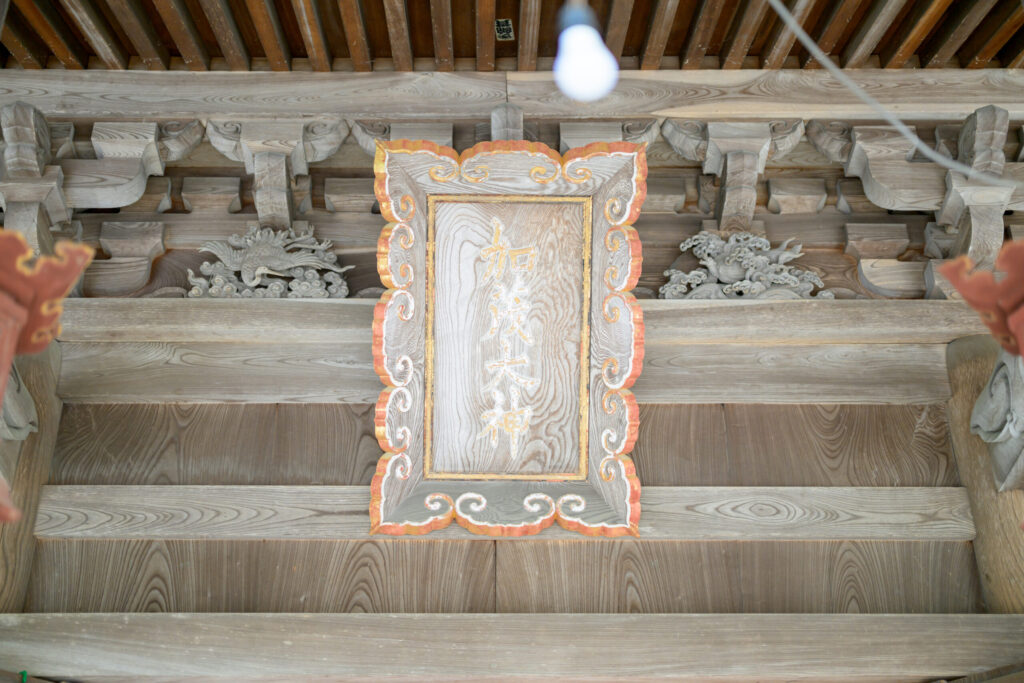
Together, they are honored as Aomi Jinja. The jinja is said to have been founded in 726, and it marked 1,300 years in 2026. It is also listed in the Engishiki register of shrines, completed in 927.
The Vermilion Arrow, and Prayers for Life
Aomi Jinja is also known as a place to pray for safe childbirth and for the blessing of a child. Behind this lies a legend: while Tamayorihime-no-Mikoto was at play by the river, a red arrow — the “vermilion arrow” — came floating down. She placed it by her pillow as she rested, and conceived a child of the kami.
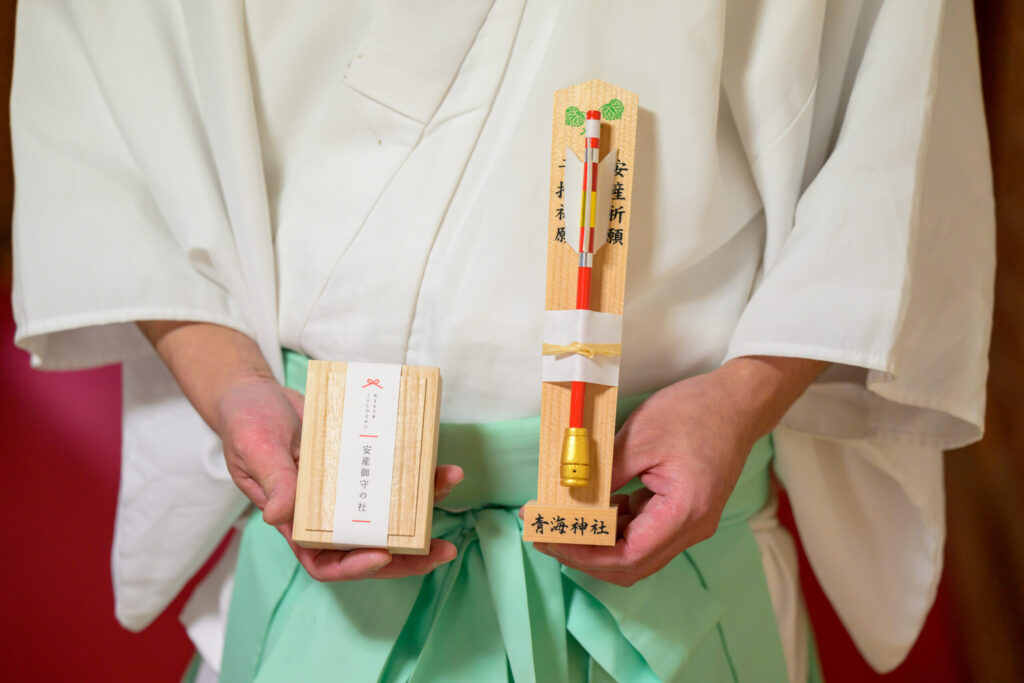
The mother of Uesugi Kenshin, the renowned warlord of the Warring States era, is said to have made monthly visits here to pray for a safe birth. In 1674, Mizoguchi Shigekatsu, lord of the Shibata domain, came here to pray, and records tell that he was then blessed with an heir. Many people still come from across Niigata and beyond. Uesugi Kenshin ruled this province of Echigo — present-day Niigata — in the sixteenth century.
The Carvings of the Masters
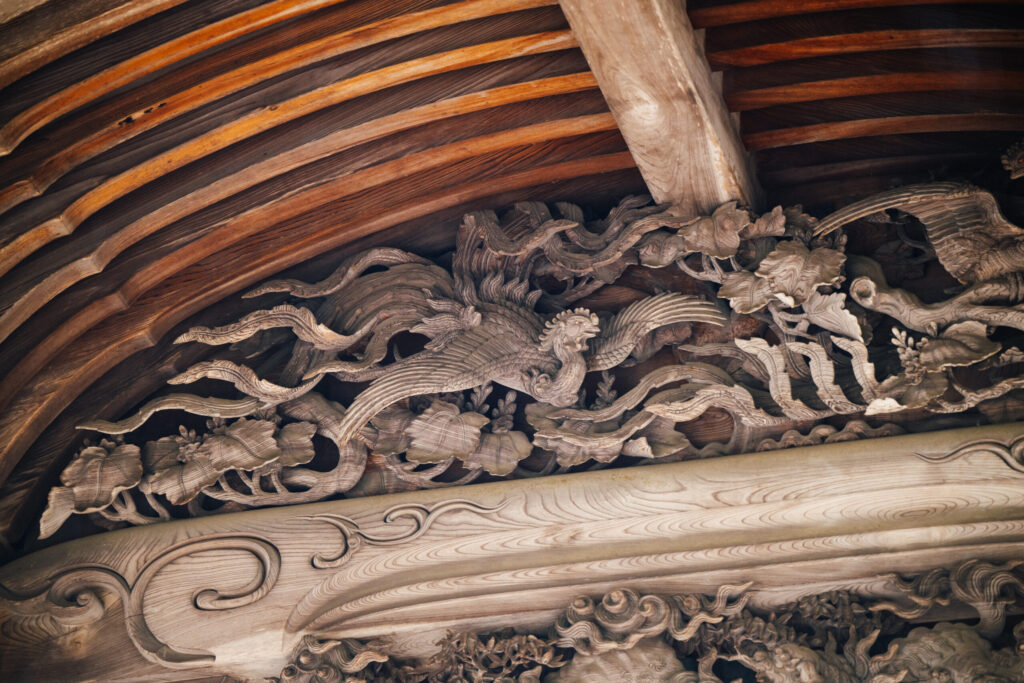
The main hall was rebuilt in 1357; inside a single protective outer building stand the three main halls of Aomi, Kamo, and Mioya. The prayer hall and other buildings were rebuilt and remodeled in the Edo period (1603–1868) by the lords of the Shibata domain. Matsui Kakuhei, a master builder from Inami in Etchu, worked on the halls, and the carvings are the work of Iwakura Rihachi and others, also of Inami. Inami, today part of Nanto City in Toyama Prefecture, is known as a town of woodcarvers.
One Thing About Shinto
Shinto has no founder, no dogma, and no scripture.
It is a way of life, expressed through reverence for nature and ancestors and honest gratitude for the blessings we receive. You are welcome to take part with respect, whether you hold another religion or none.
How to Book
Step1
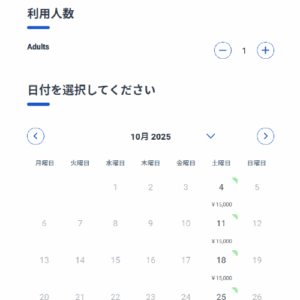
Please check the calendar to confirm the date, time, and number of reservations, and then make your selection.
Step2
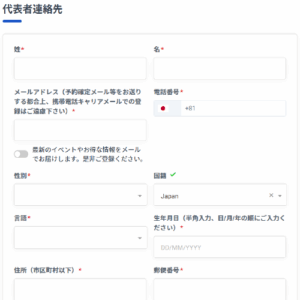
Please enter the information required for registration (name, date of birth, address, etc.).
Step3
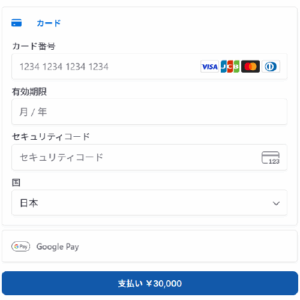
Please select a payment method, enter your payment information, and complete the payment. A confirmation email will be sent to the email address you provided, so please check your inbox.
Access
Aomi Jinja
229 Kamo, Kamo City, Niigata 959-1300
By train (Shinkansen)
From Tsubame-Sanjo Station on the Joetsu Shinkansen, about 25 minutes by taxi (about 14 km)
From Kamo Station, 8 minutes on foot (550 m)
By car
About 25 minutes from Sanjo-Tsubame IC on the Hokuriku Expressway (about 14 km)
You can drive up to the shrine itself.
Overview
- Price
- ¥8,000 per person (tax included)
Included: the formal prayer in the hall, and an omamori amulet
English interpreter, if requested: +¥15,000 per group - Group Size
- 1 to 15 guests
- Itinerary
- 1.Meet at the shrine office, at the top of the steps at Aomi Jinja
2.A talk by a priest of Aomi Jinja (about 20 minutes)
3.The formal prayer inside the hall (about 20 minutes)
4.Free time to walk the grounds
Duration: about 1 hour
Please note that this is a guide only; details may change according to conditions on the day. - What to Bring and Wear
- ・Comfortable walking shoes
・Clothes you can move in
You will climb 77 steps, so please come dressed for walking.
As you will enter the prayer hall, please avoid revealing clothing. Shoes are removed in the hall, so shoes that are easy to slip off are recommended. - Payment
- Payment is made in advance by credit card.
- Who Can Take Part
- Guests aged 6 and over. Guests under 12 must be accompanied by a parent or guardian.
Please note that where a child takes part, the accompanying adult is also charged the full price. - Booking Deadline
- Up to two weeks before the date of the experience.
- Notes and Disclaimer
- Please note in advance that the experience may be canceled, or its content changed, for unavoidable reasons.
- Frequently Asked Questions
- ●Can I take part if I don't follow Shinto?
Yes. Shinto is something that you do, rather than something that you are, and its practice is regarded as entirely compatible with holding another religion, or with having no religion. It is enough to take part with respect and follow the priest's guidance.
●What language is the talk given in?
Japanese. You may request an English interpreter when you book (+¥15,000 per group).
●Can I get there without climbing the steps?
Yes. You can drive up to the top.
●Can I take part in winter?
Yes. You can visit and take part in winter as well.
●Can I request a personal prayer, such as for a safe birth?
Yes. Aomi Jinja offers gokito, formal prayers for common wishes such as safe childbirth and safe travel. Let us know what you would like to pray for, and we will arrange a prayer to match your wish. This is available even for a single guest.
●May I take photographs during the experience?
You are welcome to take photographs. Please do so with respect for the shrine, with consideration for other guests, and in keeping with good manners.
●Is there parking?
Please use the free parking at Kamoyama Park.
Cancellation & Refund Policy
INORI experiences are package tours planned, offered, and operated by LAMBDA JAPAN. By booking, you enter into a package tour contract with us.
■ Booking and formation of the contract
The contract is concluded when our confirmation notice reaches you by e-mail or other means.
■ Cancellation fees
Cancellations made for reasons on the customer’s side are subject to cancellation fees. Please refer to the schedule below for the applicable rates.
The following periods are counted back from the day before the tour start date.
| Notice Period | Cancellation & Change Fees | |
|---|---|---|
| Counting backward from the day before the trip begins | a. Cancellation on or before the 12th day (the 21st day for tours with overnight stays) | Free |
| b. Cancellation on or before the 11th day (the 20th day for tours with overnight stays) | 30% of the tour price | |
| c. Cancellation on or after the 7th day, or no-show without notice | 100% of the tour price | |
■ Refunds
For credit card payments, refunds are issued to the card registered at the time of booking. (Payment is finalized when you book; if the booking is changed, the refund is processed to the same card. Depending on your card company, the refund may not appear until the following month, so please check your card statement.)