Kamo: A Priest Writes Your Goshuin on Washi You Made Yourself — A Half Day of Paper, Wood, and Prayer
¥13,000
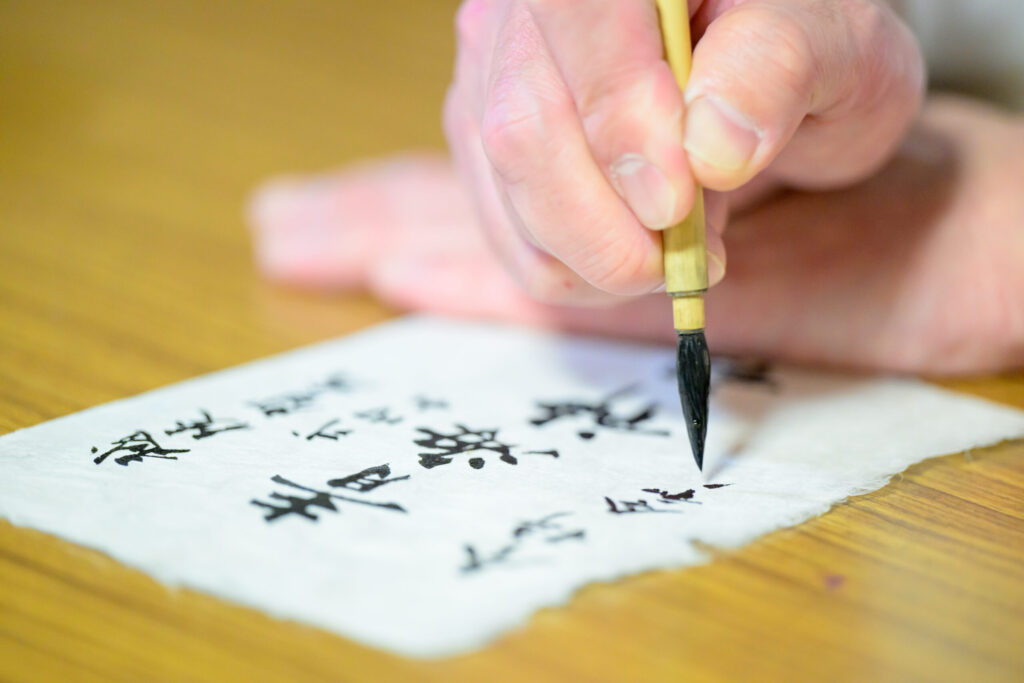
A Goshuin You Can't Buy Anywhere
In Kamo, Niigata Prefecture, three traditions have taken root: paper, wood, and prayer. Kamo-gami, a washi paper with 400 years of history; woodworking skills passed down from the making of folding screens; and Aomi Jinja, which welcomed kami from Kyoto 1,300 years ago.
In the morning, you make washi paper with your own hands and assemble a kumiko frame from Akita cedar. Finally, you visit Aomi Jinja, where a priest writes a goshuin, a shrine’s red seal and calligraphy, on the very paper you made.
The feel of the paper, the scent of cedar, the smell of ink. Everything your own hands touched comes together in a goshuin that belongs to this day, this place, and you alone.
- ●Make the washi paper for your goshuin yourself at the Kamo Papermaking Studio
- ●Try kumiko woodwork with Akita cedar at a workshop with more than 100 years of history
- ●Lunch at a ryotei restaurant that serves its dishes on kumiko trays (lunch included)
- ●Finish at Aomi Jinja, where a priest writes a goshuin on your own paper

Details
1 | Making Washi at the Kamo Papermaking Studio
You meet at Kamo Station and head to the Kamo Papermaking Studio, on a corner of the shopping street. It is a workshop set in a renovated former bank.
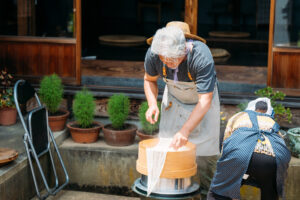
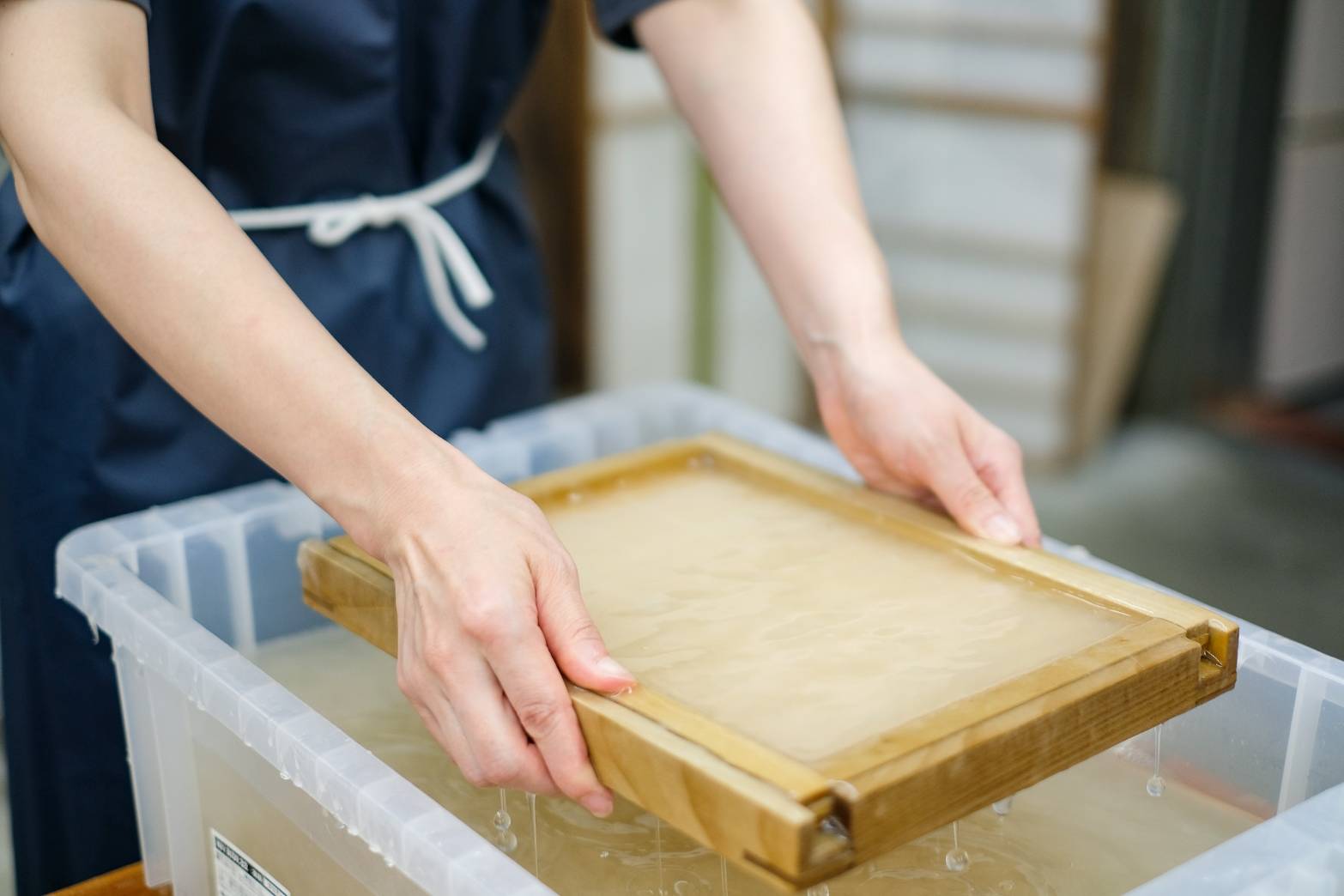
You dip your hands into water in which kozo, the mulberry fiber used for washi, has been dissolved, and rock the suketa mold back and forth to form a single sheet of paper. Feel the fibers spread evenly across the screen, the cold of the water, the scent of the kozo.Kamo-gami has a tradition called sukinaoshi: a sheet with a mistake is returned to the water and made again.

It is a cycle of making that people here have followed as a matter of course for 400 years. Part of the kozo and the tororo-aoi, a plant used to keep the fibers evenly suspended in water, is grown within the city.

While your paper dries, you move on to the next workshop.
2 | Assembling a Kumiko Frame at Ominato Bunkichi Shoten
Next is Ominato Bunkichi Shoten, a long-established woodworking business founded in the early Meiji era, with more than 150 years of history.
It began by making shibugami, Kamo-gami coated with persimmon tannin, and went on to make Kamo folding screens. By the 1975–1984 period, Kamo produced 90 percent of the folding screens in Japan.

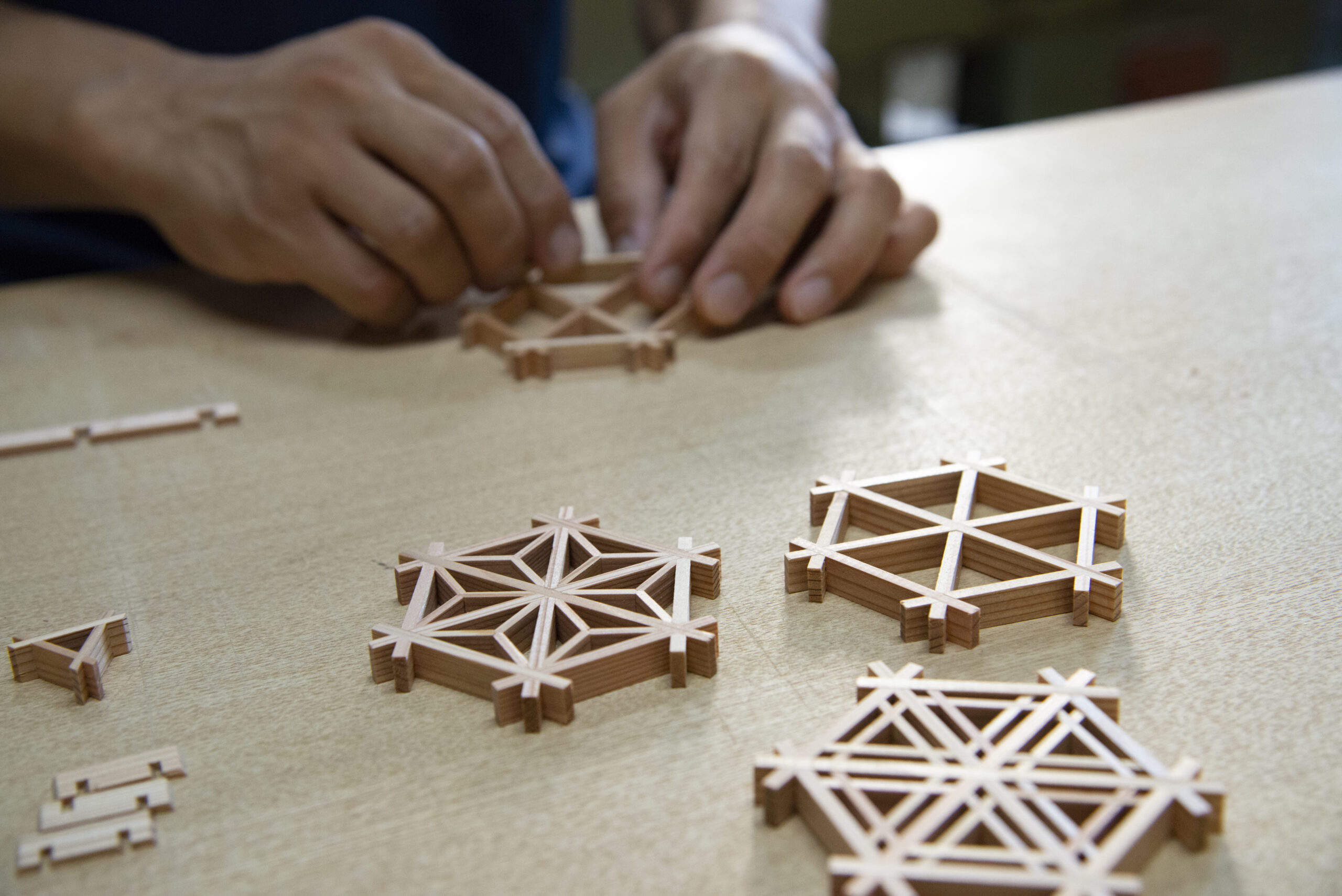
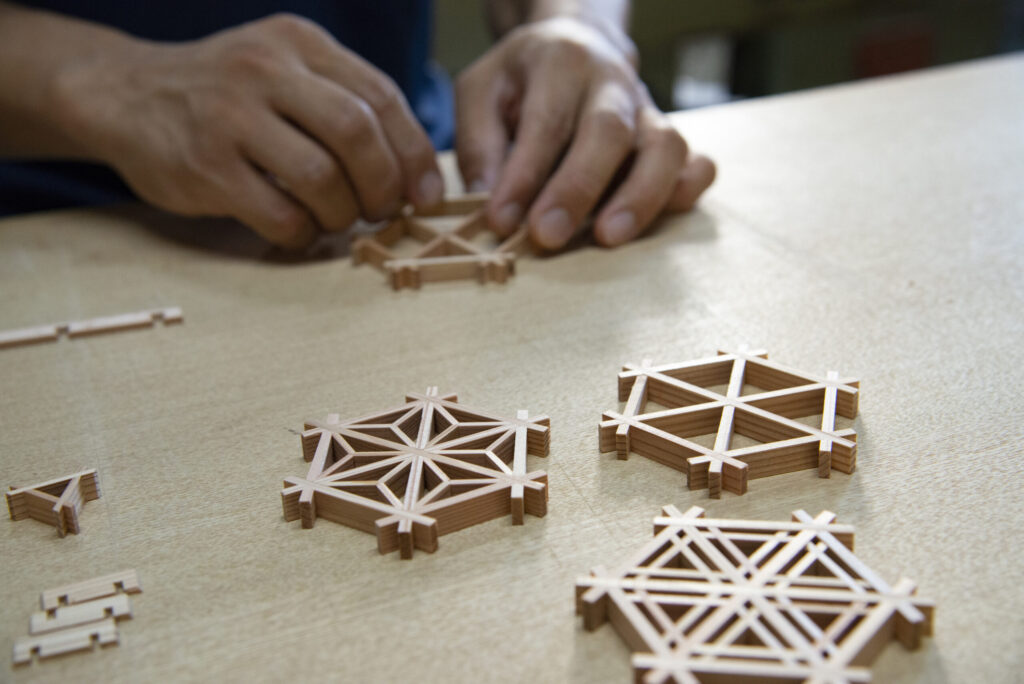
When demand fell as fewer homes had Japanese-style rooms, the company turned to kumiko, the skill it had honed making screen frames. Kumiko is a traditional technique of fitting small pieces of wood together into patterns, without nails or glue.

You work with Akita cedar, a fine domestic wood. Wrapped in its beautiful grain and rich scent, fitting the pieces together feels like solving a puzzle, and before long everyone is absorbed in the work. You can also tour the workshop, where artisanship and the latest machinery stand side by side, and visit its gallery.
3 | Lunch at Kifune
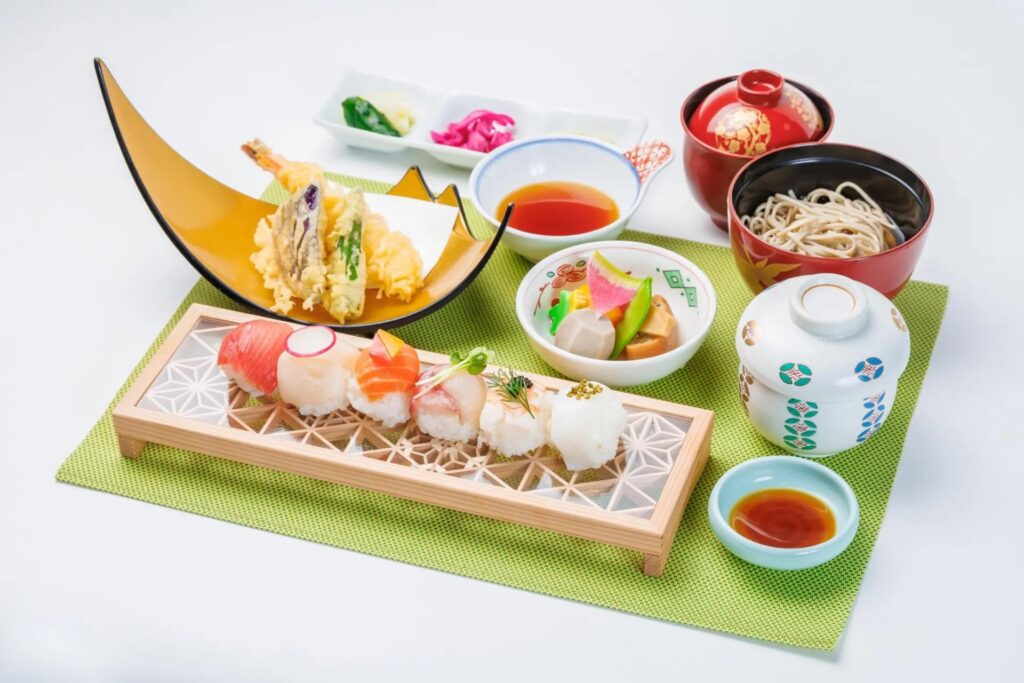
Lunch is at Kifune, a Kamo ryotei restaurant that serves its dishes on kumiko trays made by Ominato Bunkichi Shoten. You eat seasonal local food from vessels born of the same craft you just tried.
Vegetarian and allergy needs can be accommodated. Lunch is included in the price.
4 | Visiting Aomi Jinja and Receiving Your Goshuin
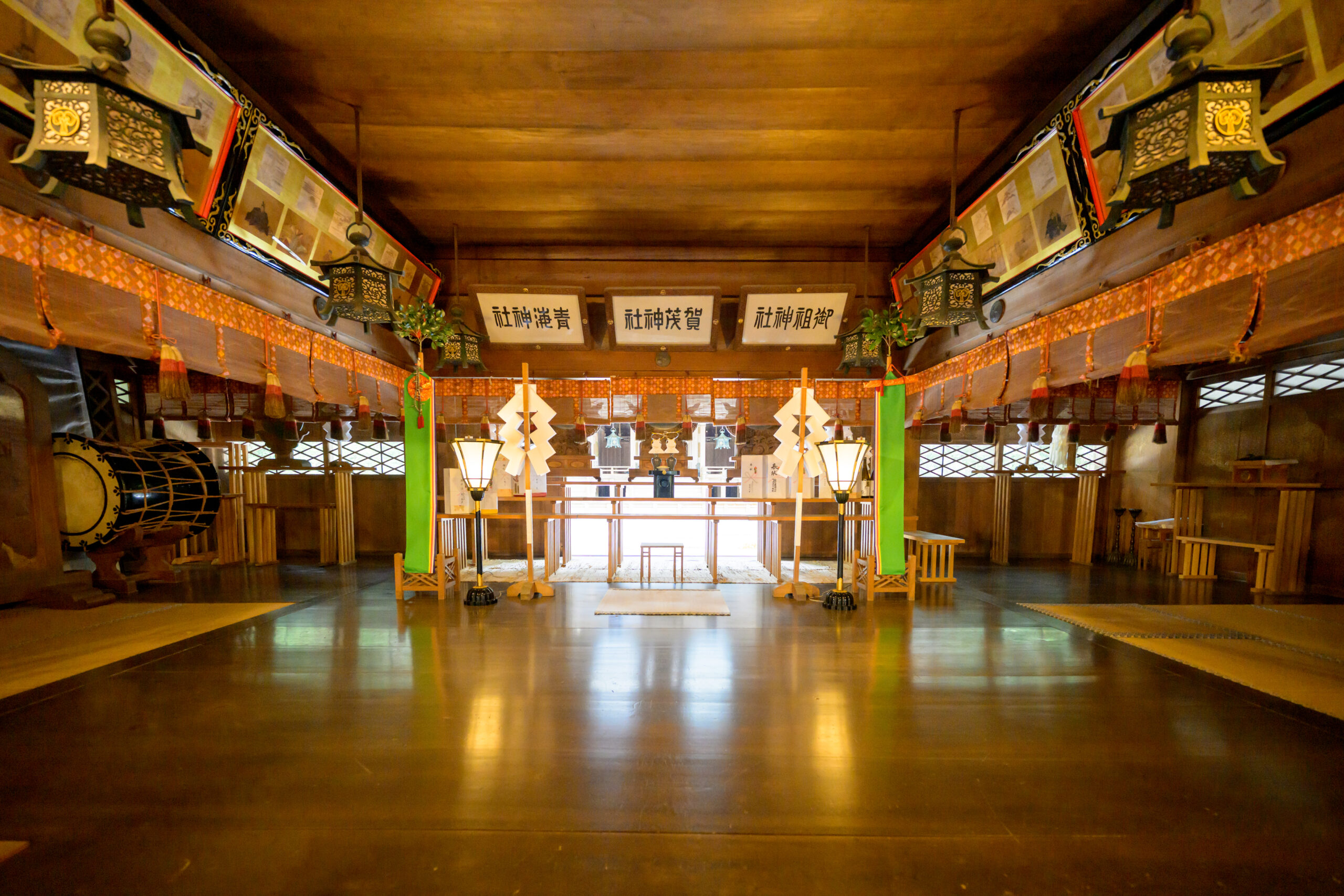
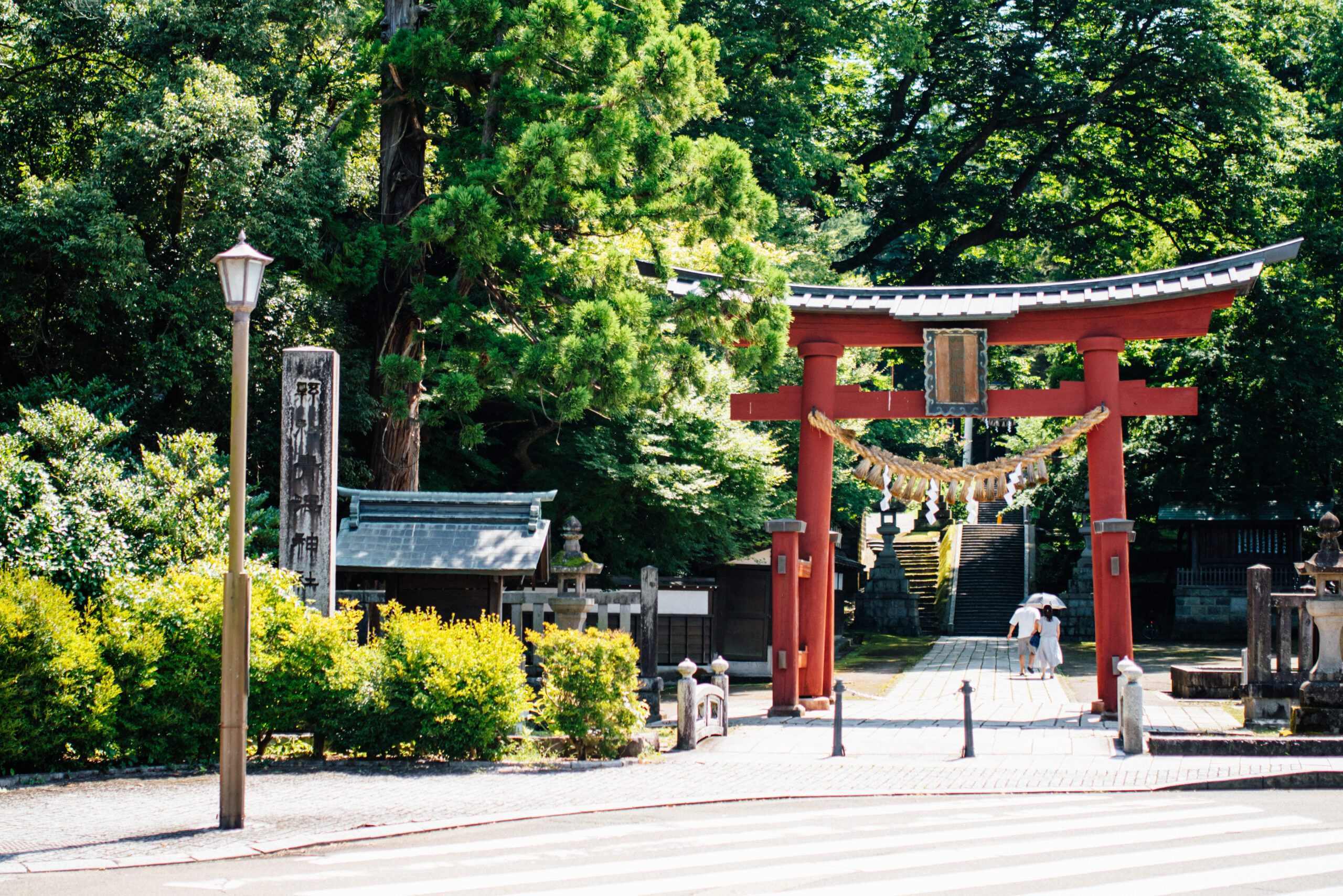
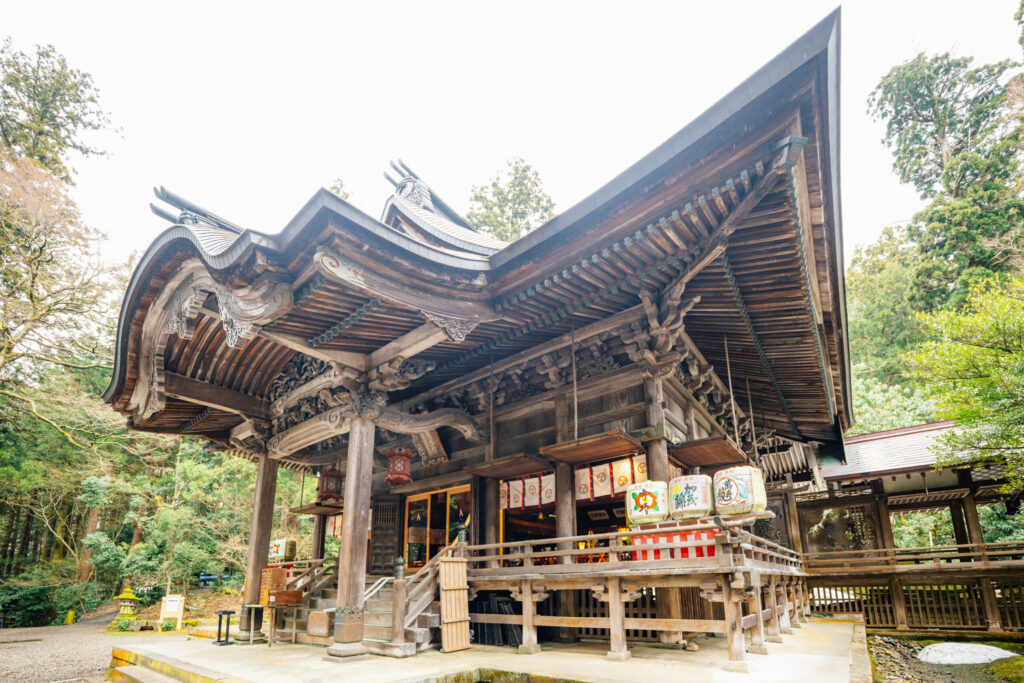
The tour ends at Aomi Jinja, at the foot of Kamoyama hill. Said to have been founded in 726, it marked 1,300 years in 2026, and is the guardian shrine of the whole Kamo, Sanjo, and Tagami area.
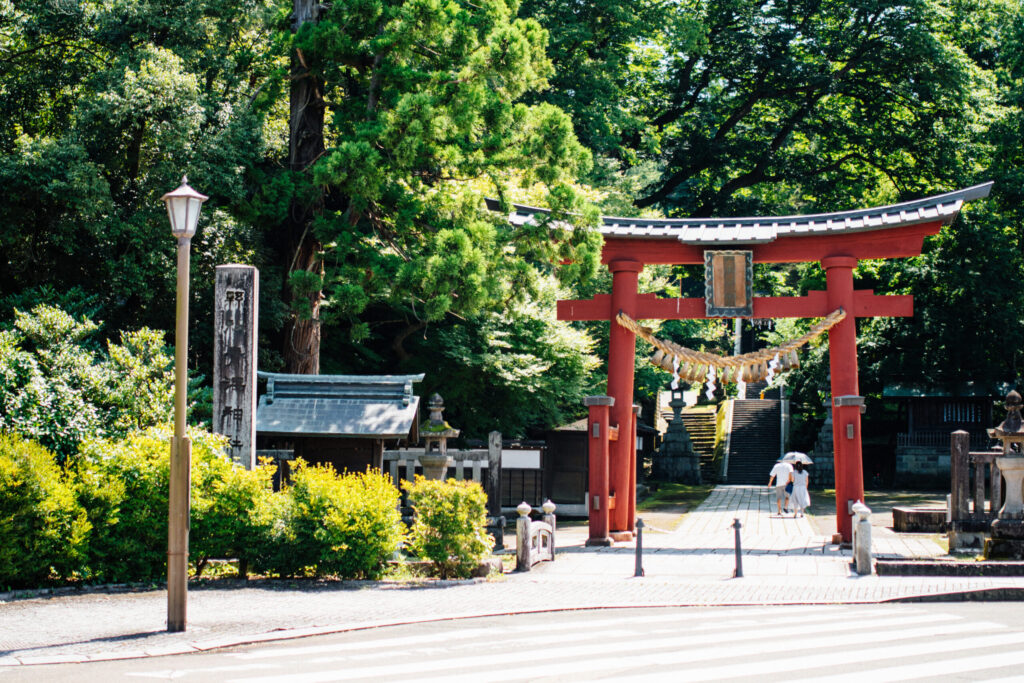
As you climb the 172 stone steps, the air of the sacred forest quietly changes. You pay your respects as your guide explains the jinja (Shinto shrine), and at the end, a priest of Aomi Jinja writes a goshuin on the paper you made that morning.
Who Guides You
A member of the LAMBDA JAPAN team
Your guide is a member of LAMBDA JAPAN, the local team behind INORI. Mixing in stories only a local would know, your guide offers a friendly, relaxed experience.
This experience is held in Japanese, with support in English throughout. Your guide shares illustrated English materials that cover all the key points, and speaks in simple English with the help of a pocket translator.
Going Deeper: Why Paper, Wood, and Prayer Came Together in Kamo
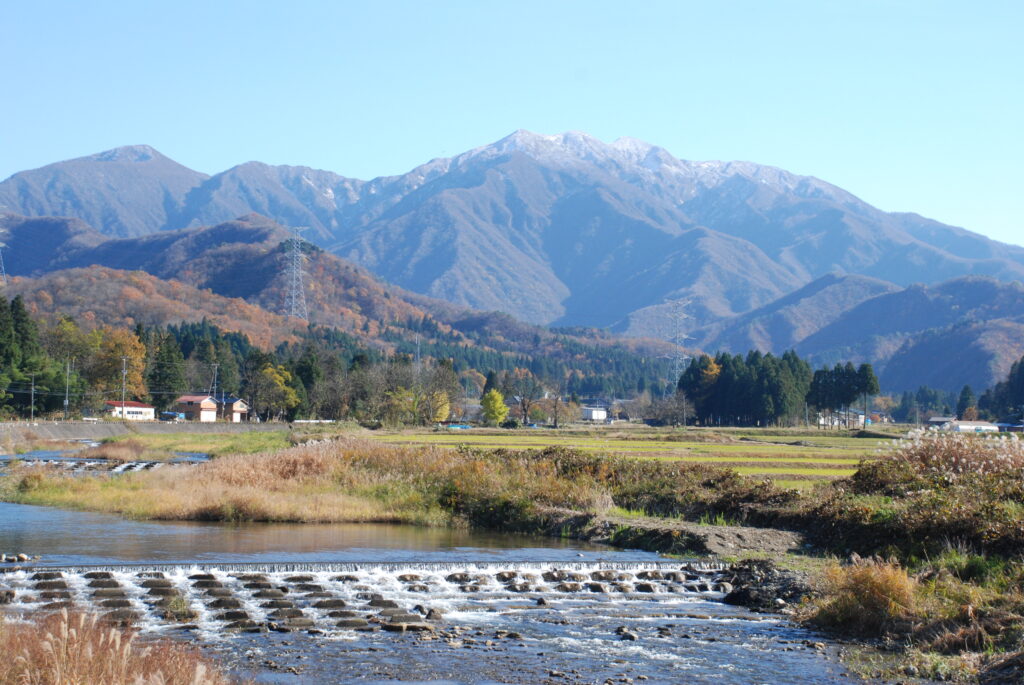
The place name “Kamo” comes from Kamigamo Jinja and Shimogamo Jinja, the oldest jinja in Kyoto. Around the time Japan’s capital moved to Kyoto, from 794 onward, a share of the spirit of the kami of both jinja was welcomed here, and Kamo became the sacred estate of the Kamo jinja of Kyoto. As the culture of the capital flowed in, it is thought that shrine carpenters moved here from Kyoto and that their woodworking skills took root.
In time, the Nanatani area, ringed by mountains, produced Kamo-gami, a fine washi; in the Edo period (1603–1868) it was valued highly enough to be paid in place of rice tax. Meanwhile, precise woodworking grew in the town, and from the Meiji era onward, Kamo became known across Japan for its fittings and folding screens.
The culture of paper, the craft of wood, and the faith received from Kyoto all live on in one town. That is why an experience like this is possible: making your own washi, assembling a wooden frame, and receiving a sign of prayer on that paper.
How to Book
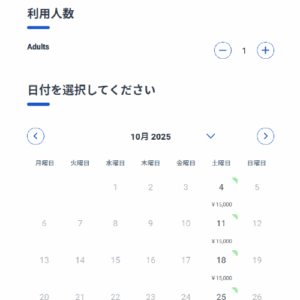
Step1
Please check the calendar to confirm the date, time, and number of reservations, and then make your selection.
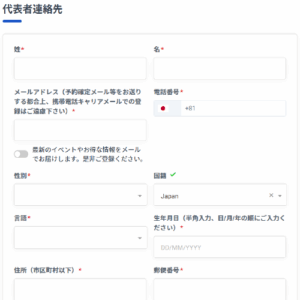
Step2
Please enter the information required for registration (name, date of birth, address, etc.).
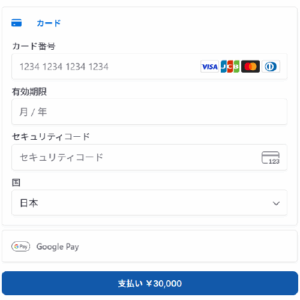
Step3
Please select a payment method, enter your payment information, and complete the payment. A confirmation email will be sent to the email address you provided, so please check your inbox.
Access
Kamo Station (meeting point)
1 Ekimae, Kamo City, Niigata 959-1378
Meet at Kamo Station on the JR Shinetsu Line. From there, we take you to each workshop and to the jinja by car (free of charge).
Overview
- Price
- ¥13,000 per person (tax included)
Included: guide fee, papermaking, kumiko workshop, lunch, goshuin fee, goshuin mount, wooden frame - Group Size
- 1 to 10 guests
- Itinerary
- 1. Meet at Kamo Station and travel together
2. Papermaking (about 1 hour)
3. Workshop tour and kumiko (about 1 hour)
4. Lunch (about 1 hour)
5. Visit Aomi Jinja (about 1 hour)
Duration: about 4 hours
Please note that this is a guide only; details may change according to conditions on the day. - What to Wear and Notes
- ・Comfortable walking shoes and clothes you can move in (you will tour a workshop and climb the 172 stone steps of the jinja)
・Inside the workshop, always follow the instructions of the staff. Please do not touch equipment or products.
・Please avoid shoes that could cause a fall, such as sandals, high heels, or platform shoes, and clothing that could catch in machinery, such as skirts or loose, baggy clothes. - 注意事項
- ・工場内では担当者の指示に必ず従ってください。
・工場内の設備や商品には触れないでください。
・汚れが気にならない服装、動きやすい靴をご着用ください。
・サンダル・ハイヒール・厚底靴など転倒の危険がある靴はご遠慮ください。
・スカートやだぶつきの大きな服装など、機械に巻き込まれる恐れのある服装もご遠慮ください。 - Payment
- Payment is made in advance by credit card.
- Who Can Take Part
- Guests aged 6 and over. Guests under 12 must be accompanied by a parent or guardian.
Please note that where a child takes part, the accompanying adult is also charged the price for one guest. - Booking Deadline
- Up to two weeks before the date of the experience.
- Notes and Disclaimer
- Please note in advance that the experience may be canceled, or its content changed, for unavoidable reasons.
- Frequently Asked Questions
- ■How do I get around from the station?
Meet at Kamo Station, and we will take you to each workshop and to the jinja by car (free of charge).
■Can I take part in winter?
Yes. This experience runs all year round.
■Can you accommodate dietary restrictions?
Yes. Vegetarian and allergy needs can be accommodated. Please let us know when you book.
■Is the guiding in English?
The guiding is in Japanese. You may request an English interpreter when you book (+¥15,000 per group).
■May I take photographs during the experience?
You are welcome to take photographs.
■Is there parking?
Please use the parking lot in front of Kamo Station.
Cancellation & Refund Policy
INORI experiences are package tours planned, offered, and operated by LAMBDA JAPAN. By booking, you enter into a package tour contract with us.
■ Booking and formation of the contract
The contract is concluded when our confirmation notice reaches you by e-mail or other means.
■ Cancellation fees
Cancellations made for reasons on the customer’s side are subject to cancellation fees. Please refer to the schedule below for the applicable rates.
The following periods are counted back from the day before the tour start date.
| Notice Period | Cancellation & Change Fees | |
|---|---|---|
| Counting backward from the day before the trip begins | a. Cancellation on or before the 12th day (the 21st day for tours with overnight stays) | Free |
| b. Cancellation on or before the 11th day (the 20th day for tours with overnight stays) | 30% of the tour price | |
| c. Cancellation on or after the 7th day, or no-show without notice | 100% of the tour price | |
■ Refunds
For credit card payments, refunds are issued to the card registered at the time of booking. (Payment is finalized when you book; if the booking is changed, the refund is processed to the same card. Depending on your card company, the refund may not appear until the following month, so please check your card statement.)